Block Me If You Can: The Never-Ending Tech War Between Asian Gaming Platforms and the Gatekeepers Trying to Stop Them

There's a version of the internet that most American gamers never see. It lives behind geo-restrictions, regional licensing walls, and IP-blocking systems that were built specifically to keep you out. And yet, millions of US players access it every single week — because the platforms on the other side of those walls have gotten extraordinarily good at staying reachable.
The technical and legal tug-of-war between Asian gaming platforms and access-blocking mechanisms is one of the most quietly sophisticated conflicts in the digital entertainment world. It's not flashy. There are no press releases. But it shapes which games you can play, which platforms you can bet on, and how quickly new trends cross the Pacific.
Why the Walls Exist in the First Place
Before we talk about how platforms get around restrictions, it helps to understand why those restrictions exist at all. Geo-blocking in gaming and online entertainment isn't just about government censorship — though that's part of it. A lot of it comes down to licensing. A platform operating under a Philippine PAGCOR license, a Maltese Gaming Authority certification, or a Curaçao e-gaming permit is technically authorized to serve certain markets and not others. When an American player logs in, that platform is potentially operating outside its legal sandbox.
So ISPs, payment processors, and sometimes government agencies put up walls. IP ranges get blacklisted. Domain names get flagged. Payment gateways refuse transactions from certain geographic regions. On paper, the system should work. In practice, it's full of holes — and Asian gaming platforms have spent years mapping every single one.
The VPN Layer: Old Tool, New Tricks
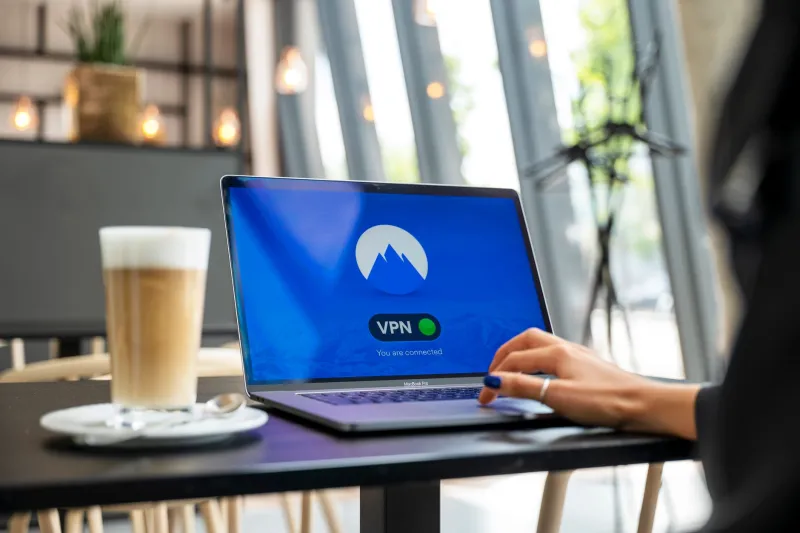
VPNs are the most obvious workaround, and most American gamers already know what they are. Route your traffic through a server in Singapore or Manila, and suddenly you're browsing from Southeast Asia. Simple enough.
Except platforms know this too. The arms race here is real: geo-restriction systems have gotten progressively better at detecting VPN traffic. They flag known VPN IP ranges, analyze traffic patterns for telltale signs of tunneling, and cross-reference login locations against payment data. If your credit card says Ohio but your IP says Hong Kong, that's a red flag.
So VPN providers adapted. Residential proxy networks — where your traffic appears to originate from an actual home IP address rather than a data center — became the new workaround. These are significantly harder to detect because they look like regular consumer internet traffic. Some services rotate IPs constantly, making pattern detection nearly impossible.
The platforms themselves also started playing both sides. Several major Asian gaming operators have quietly built infrastructure that makes it easier for international users to connect without triggering detection — not because they're explicitly inviting American players, but because a broader user base is good for business, and plausible deniability is easy to maintain.
Blockchain and Decentralization: The Next Frontier
If VPNs are the first generation of this arms race, blockchain-based solutions might be the third or fourth. Decentralized gaming platforms — particularly in the play-to-earn and crypto-casino spaces — are architecturally resistant to traditional blocking in ways that conventional platforms simply aren't.
When there's no central server to blacklist, no single domain to flag, and no payment processor to pressure, the standard toolkit for restricting access starts to fall apart. Platforms built on distributed ledger technology can theoretically operate across jurisdictions without any single point of failure. Smart contracts execute automatically. Crypto wallets don't ask for your zip code.
This isn't purely theoretical. Several Asian gaming platforms that have faced regulatory pressure in their home regions have migrated significant portions of their operations onto blockchain infrastructure specifically because of its resilience. American players drawn to these platforms benefit from that resilience too — often without fully understanding why the platform seems so much harder to disrupt than its competitors.
The Jurisdictional Loophole Playbook
Beyond the technical layer, there's a legal dimension to this that rarely gets discussed. Asian gaming operators have become genuinely sophisticated at structuring their businesses to exploit the gaps between different countries' regulatory frameworks.
The classic move: license your platform in a permissive jurisdiction, incorporate your parent company somewhere with favorable tax treatment, host your servers in a third location, and serve customers in markets where the regulatory picture is ambiguous. No single country has clear jurisdiction over the whole operation, which makes enforcement messy and expensive for any one government to pursue.
For American players, this creates an interesting situation. Accessing these platforms may technically violate the terms of service, and in some cases may brush up against federal or state gambling laws. But the practical likelihood of individual enforcement is low, and the platforms themselves are structured specifically to make legal action against them as complicated as possible.
This isn't a loophole that's going away anytime soon. If anything, the legal architecture around these platforms is getting more sophisticated as operators invest in regulatory compliance teams and international legal counsel.
What This Means If You're a US Player
Here's the honest take: if you're an American gamer who's been accessing Asian platforms, you're participating in this arms race whether you realize it or not. Every time you fire up a VPN to hit a platform that's technically outside your region, you're a data point in an ongoing battle between access and restriction.
The platforms winning this battle aren't doing it by accident. They're investing real resources in staying accessible — because their user base, and their revenue, depends on it. The technical sophistication on display is genuinely impressive, and it's part of why Asian gaming platforms have been able to maintain and grow international audiences despite significant regulatory headwinds.
At UOK168 Gaming, we think American players deserve to understand the landscape they're navigating. The walls are real. So are the doors. And the people who built those doors have been thinking about this a lot longer than the people trying to close them.
The Bigger Picture
This arms race isn't just a niche tech story — it's a preview of where the entire global gaming industry is heading. As more American players discover what's available on Asian platforms, pressure will build on domestic regulators and operators to either match the offering or find more effective ways to restrict access.
Either way, the cat-and-mouse game is far from over. If anything, it's just getting started.