Locked Out and Logging In Anyway: The Underground World of American Gamers Bypassing Asia's Regional Walls
There's a game you've probably never heard of. It's massive in South Korea — millions of daily active players, a thriving competitive scene, merchandise lines, celebrity streamers, and an in-game economy that moves real money. You search for it on the US App Store. Nothing. You Google an English download link. Dead ends. You ask on Reddit and someone in the comments just types: get a VPN.
Welcome to one of gaming's most quietly chaotic subcultures — the community of American players who refuse to accept that a geo-block is the end of the conversation.
The Wall, and Why It Exists
Before we get into the how, it's worth asking the why. Why do some of Asia's most lucrative and technically impressive gaming platforms simply... not exist in the US market?
The answer isn't laziness. It's a tangle of licensing agreements, gambling regulations, intellectual property laws, and payment infrastructure headaches that can make launching in a new territory feel like running a marathon through quicksand. A gaming platform built around certain betting mechanics that's totally legal under Korean or Philippine law might run headfirst into a wall of state-by-state US gambling statutes the moment it tries to go stateside. Add in the compliance costs for financial transactions, age verification mandates, and data privacy requirements like CCPA, and suddenly that exciting regional launch starts looking a lot less appealing from a business perspective.
Some platforms also make a deliberate choice to stay regional. Their monetization model — whether it's gacha mechanics, sports betting integrations, or live dealer formats — is fine-tuned for a specific audience and regulatory environment. Expanding to the US isn't just expensive; it could require rebuilding the entire product.
So the wall goes up. And American gamers, being American gamers, immediately start looking for ladders.
The VPN Playbook
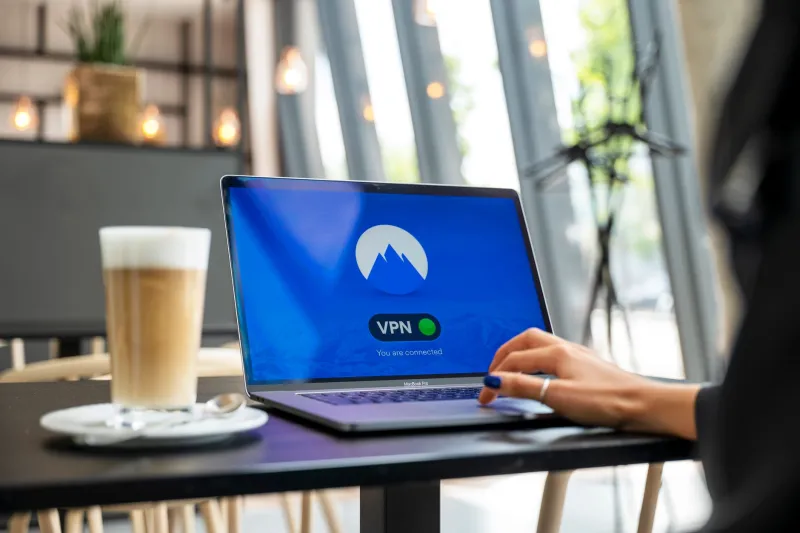
For the uninitiated, a Virtual Private Network reroutes your internet connection through a server in another country, masking your real location and making it appear like you're browsing from wherever that server sits. Want to look like you're in Japan? Pick a Tokyo server. South Korea? Seoul. Philippines? Done.
For gaming specifically, the setup is a little more involved than just flipping a switch. Serious players in this space aren't just running any consumer VPN — they're hunting for services with low latency, stable connections in Asian server regions, and a track record of not getting flagged by platform detection systems. Names like Mullvad, ExpressVPN, and NordVPN come up constantly in gaming forums, though the community is quick to note that no solution is permanent. Platforms update their detection algorithms, IP ranges get blacklisted, and what worked last month might not work today.
Beyond VPNs, some players go further. Emulators for mobile titles, region-specific Google Play or App Store accounts (created with prepaid gift cards and foreign phone numbers), and cryptocurrency for payments that don't trigger geographic flags — it's a whole ecosystem built around the single goal of getting access to content that someone, somewhere, decided you shouldn't have.
The Cat-and-Mouse Never Stops
Here's where it gets interesting from a technical standpoint. Gaming platforms — especially the bigger Asian operators — are not sitting still while players route around their restrictions. They're actively investing in detection technology that goes well beyond simple IP checks.
Behavioral analysis is one tool. If your account suddenly logs in from a Seoul IP after months of US activity, that's a flag. Device fingerprinting is another — even if your IP says Tokyo, your device's language settings, time zone, and hardware signatures might still whisper "American." Some platforms layer in payment verification, requiring locally-issued cards or mobile payment methods that foreign users simply can't obtain without significant effort.
The result is a genuine arms race. VPN providers push out new server ranges; platforms blacklist them. Players find workarounds; platforms patch the gaps. It's a cycle that shows no signs of stopping, and honestly, both sides seem to have accepted it as the permanent state of things.
Legal Gray Zone: How Worried Should You Actually Be?
This is the question everyone wants answered, and the honest answer is: it depends, and nobody's totally sure.
Using a VPN in the United States is completely legal. Full stop. There's no federal law against it, and VPN usage for privacy reasons is widely accepted. The murkier territory is what you're doing with that VPN.
Accessing a foreign gaming platform that involves real-money wagering could potentially put you in conflict with the Wire Act or state gambling laws, depending on the specific mechanics of the game and how those laws are interpreted. The practical reality, though, is that enforcement against individual players is essentially nonexistent. Regulators are far more focused on operators than on the people sitting at home trying to play a Korean card game.
The terms of service risk is more concrete. Nearly every major platform explicitly prohibits access from unauthorized regions. If your account gets flagged and banned, you could lose whatever you've built — progress, in-game currency, purchases. That's a real cost, and it's one the community talks about openly. The general consensus seems to be: don't put anything in an account you're not prepared to lose.
For betting-specific platforms, the stakes are obviously higher. Real money in, real money at risk — including the risk that a platform might not process a withdrawal from an account that violated its regional terms. That's a scenario that comes up in forums more than it probably should.
What This Says About the Market
Zoom out for a second and the bigger picture is kind of fascinating. There's a measurable, motivated audience of American gamers willing to jump through significant technical hoops to access gaming content that isn't officially available to them. That's not a fringe group of hackers — that's a market signal.
Some companies are paying attention. We've seen a handful of Asian gaming platforms make deliberate moves toward US-facing products, sometimes launching watered-down versions of their core experience that comply with local regulations. The reception is usually mixed — fans of the original often feel like the US version is missing exactly the elements that made the game compelling in the first place.
The platforms that get it right will be the ones that figure out how to bring the full experience across the Pacific without gutting it in the process. That's a hard problem. But given how loudly American players are voting with their VPN subscriptions, it's one worth solving.
The Bottom Line
The geo-block isn't going away. Neither is the community of players determined to route around it. What's actually interesting isn't the cat-and-mouse itself — it's what the whole situation reveals about the global gaming market's fragmentation and the unmet demand sitting on the American side of that divide.
Asia's gaming ecosystem has built some genuinely remarkable experiences. The fact that accessing them requires a technical workaround and a willingness to accept some account risk isn't a deterrent for a growing slice of the US player base — it's just Tuesday. And as long as that gap between what's available and what players want keeps widening, the VPN arms race isn't slowing down anytime soon.