The Asian Esports Money Grab: How Eastern Orgs Are Poaching America's Best Players
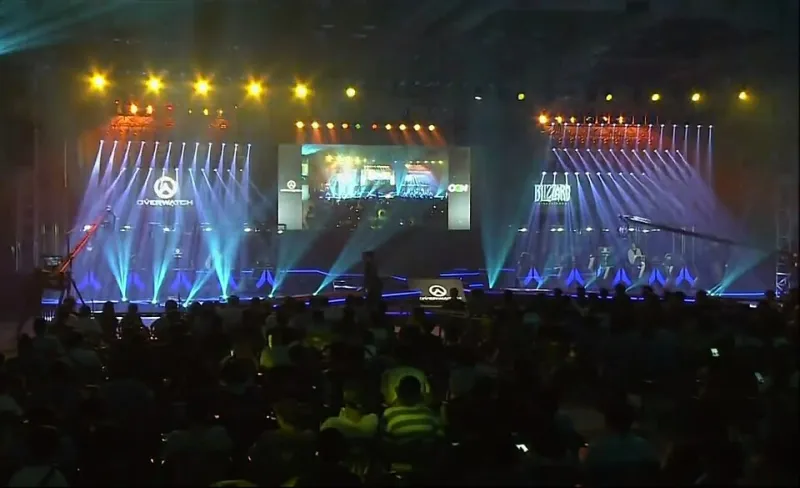
Photo: OGN, CC BY 3.0, via Wikimedia Commons
There's a quiet crisis happening in North American esports, and most casual fans haven't noticed it yet. While the headlines focus on roster shuffles and tournament results, something bigger is playing out behind the scenes: some of the best competitive gaming talent in the US is quietly packing its bags and heading east.
Asian esports organizations — particularly powerhouses based in South Korea, China, and increasingly Southeast Asia — are throwing around money and resources that North American teams genuinely cannot compete with. And it's starting to show.
The Numbers Don't Lie
Let's talk cash first, because that's usually where the conversation starts. Chinese esports organizations backed by tech giants like Tencent and NetEase have operating budgets that dwarf most North American counterparts. We're talking about organizations where a mid-tier player can earn a base salary north of $500,000 annually — before sponsorships, streaming bonuses, and performance incentives.
South Korean orgs, long considered the gold standard in titles like League of Legends and StarCraft, have doubled down on that reputation by offering structured career paths, housing, coaching staffs, nutritionists, and sports psychologists as part of standard contracts. For a 22-year-old American player grinding in a shared gaming house and eating takeout every night, the contrast is stark.
Southeast Asian organizations, particularly out of the Philippines, Indonesia, and Thailand, are newer players in this space but they're catching up fast. Mobile esports revenue in the region has exploded, and orgs there are leveraging massive local sponsorship deals to fund competitive rosters that include international talent.
What Players Are Actually Saying
Talk to players who've made the jump and a few themes keep coming up. It's not just the salary — it's the professionalism. One former North American League of Legends mid-laner, who spent two seasons with a Chinese organization before returning stateside, described the difference bluntly: "In NA, you're kind of figuring it out as you go. In China, everything is structured. Practice schedules, diet, recovery time — it's treated like a real sport."
Coaches echo this sentiment. Several North American coaching staff members have found lucrative second careers consulting for Korean and Chinese orgs, helping bridge communication gaps while earning significantly more than they made domestically. The irony isn't lost on anyone: the people who helped develop North American esports culture are now exporting that knowledge to organizations that are using it to outcompete American teams.
For players on the fence, the lifestyle adjustment is the biggest hurdle. Language barriers, distance from family, and cultural differences are real considerations. But as remote communication tools improve and as more Western players successfully make the transition, those barriers are getting lower every year.
The Infrastructure Gap Is Real
Beyond the paycheck, Asian esports organizations have invested heavily in physical and logistical infrastructure in ways that most US orgs simply haven't. Training facilities in Seoul and Shanghai rival professional sports complexes. Some Chinese organizations have built dedicated campuses — complete with practice arenas, dorms, gyms, and medical staff — specifically for their esports rosters.
Meanwhile, many North American organizations still operate on relatively lean budgets, especially outside of the top-tier franchises in Valorant Champions Tour or the LCS. Even at the top level, the gap in support infrastructure is noticeable.
Sponsorship dollars tell a similar story. Asian gaming culture is deeply embedded in broader entertainment and tech ecosystems. A South Korean esports team might have sponsorship deals with electronics manufacturers, telecom companies, energy drink brands, and fashion labels simultaneously. That kind of multi-layered revenue stream gives organizations financial flexibility that North American orgs, still largely dependent on league revenue shares and a handful of endemic sponsors, can't easily replicate.
What This Means for North American Esports
The talent drain, if it continues at its current pace, creates a compounding problem for competitive gaming in the US. Fewer elite players means lower-quality competition domestically, which means smaller audiences, which means less sponsorship interest, which means less money to retain or develop talent. It's a cycle that's hard to break.
Some analysts argue that North American orgs need to fundamentally rethink their business models — leaning harder into content creation, streaming partnerships, and regional fandom rather than trying to compete on pure roster quality with organizations that have deeper pockets. Others believe the answer lies in league structures that better distribute revenue to smaller organizations, giving them a fighting chance to retain homegrown talent.
There's also an argument that this isn't necessarily bad for North American esports fans in the long run. If the best players are competing in higher-quality leagues with better production values and more competitive matches, the overall level of global esports improves. American fans already tune in to watch Korean and Chinese leagues — viewership for LCK and LPL events in the US has grown steadily year over year.
The Bigger Picture
What's happening in esports right now mirrors broader shifts in the global gaming economy. Asia isn't just playing catch-up anymore — in many ways, it's setting the pace. The organizations, the infrastructure, the sponsorship ecosystems, and increasingly the talent pipelines are being built and refined in the East, and North American esports is having to adapt to that new reality.
For players, that means more options and potentially more earning power than ever before. For organizations, it means a reckoning with what it actually takes to compete in a global talent market. And for fans, it means the competitive gaming world is getting bigger, more interconnected, and more interesting — even if your favorite North American team is having a rough time holding onto its roster.
The Asian esports money grab isn't slowing down. If anything, as mobile esports and cloud gaming continue to grow the overall market, the competition for elite talent is only going to intensify. North American esports had better figure out its response — and fast.