Billions on Small Screens: The Mobile Tournament Boom Asia Built While America Wasn't Watching
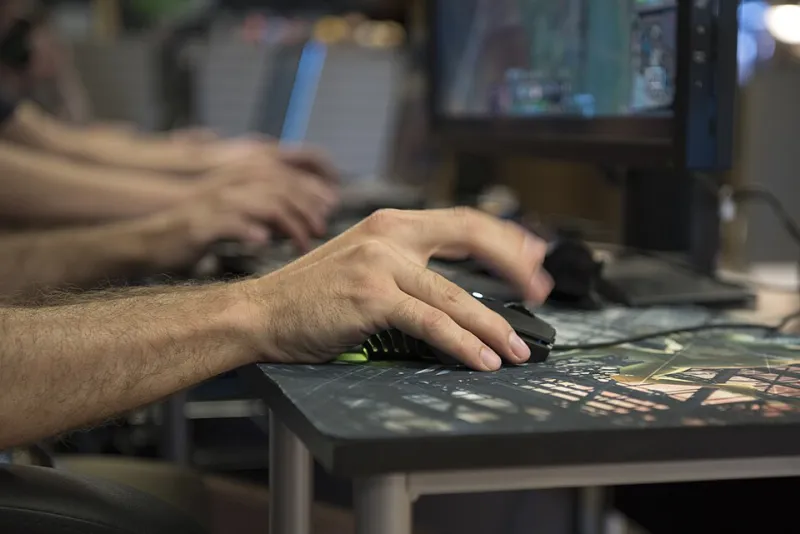
Photo: U.S. Air Force photo by Airman William Tracy, Public domain, via Wikimedia Commons
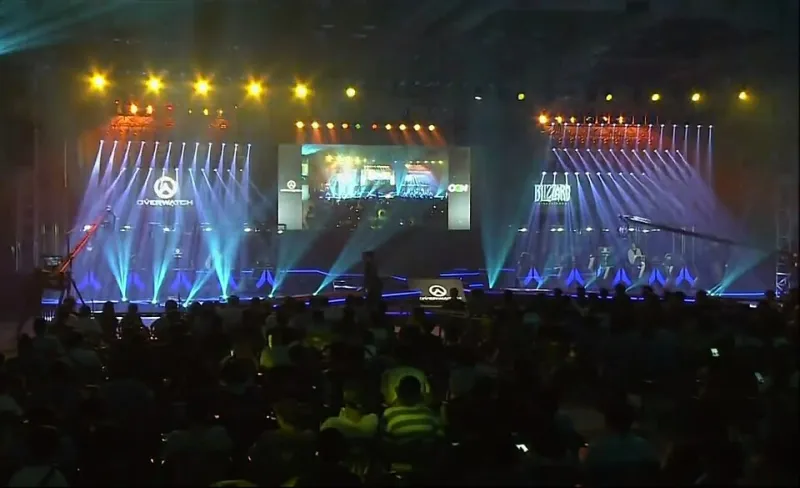
If you've been following the esports conversation in the US, you probably think you have a pretty good handle on where the big money lives. Riot Games. Valve. Activision Blizzard. Stadium events in Los Angeles and Chicago. Big brand sponsorships. Millions of Twitch viewers glued to PC monitors.
What you might not realize is that an entirely parallel universe of competitive gaming has been operating at a scale that dwarfs most of what you're familiar with — and it's been running on smartphones the whole time.
Welcome to Asian mobile tournament gaming. It's loud, it's massive, and it's been hiding in plain sight.
The Numbers Don't Lie (And They're Kind of Ridiculous)
Let's start with some context that might genuinely surprise you.
The PUBG Mobile Global Championship — yes, a mobile game tournament — has offered prize pools exceeding $6 million in recent cycles. Free Fire's World Series has drawn live viewership numbers north of 5 million concurrent streams. And Mobile Legends: Bang Bang's M-Series World Championship regularly posts participation figures that span dozens of countries and hundreds of thousands of registered competitors just to qualify.
For comparison, many mid-tier PC esports tournaments that get significant Western media coverage are working with prize pools a fraction of that size and qualifier pools that don't come close.
The sheer player participation numbers are where things get really staggering. In markets like India and Indonesia, mobile gaming tournaments aren't niche events — they're cultural moments. Regional qualifiers for games like Garena Free Fire and BGMI (Battlegrounds Mobile India) routinely see millions of registrations. Not thousands. Millions.
Why Mobile? The Cultural and Infrastructure Answer
To understand why this happened in Asia and not the US, you have to think about infrastructure and access.
In large parts of Southeast Asia, South Asia, and even rural China, a high-end gaming PC was never really a realistic option for most people. Broadband internet that could support a stable online PC gaming experience was patchy at best in many regions throughout the 2010s. But smartphones? Those spread like wildfire. Affordable Android handsets capable of running competitive games became widely available, and mobile data networks — particularly 4G — expanded aggressively.
The result was a competitive gaming ecosystem that was born mobile-first rather than adapting to mobile later. Developers like Garena, Moonton, and Tencent built their games with this audience in mind. Tournament infrastructure followed the players, not the other way around.
In the US, gaming culture evolved around consoles and PCs first. Mobile gaming got written off as casual — Candy Crush territory, not serious competition. That cultural bias stuck around long after mobile hardware proved it could handle genuinely complex, skill-intensive games.
The Monetization Engine Behind the Madness
Here's where it gets interesting from a business perspective, and why investors are starting to pay very close attention.
Asian mobile game publishers have cracked a monetization model that keeps tournament ecosystems financially healthy in ways Western publishers are still figuring out. Battle passes, in-game cosmetics tied to tournament events, regional sponsorships from local telecom companies, and direct integration with mobile payment platforms create revenue streams that loop back into prize pools and event production.
In Southeast Asia specifically, telecom giants like Telkomsel in Indonesia and Globe in the Philippines have become major tournament sponsors because mobile gaming is literally their product's killer use case. That's a sponsorship synergy you just don't see replicated in the same way in Western PC esports.
There's also the broadcasting angle. Mobile tournaments stream natively on platforms that are already on users' phones — YouTube, TikTok, and regional platforms like Nimo TV. The barrier to watching is essentially zero. No dedicated streaming client, no second monitor required. You're already holding the device.
The Games Driving the Revolution
A few titles deserve special mention for how they've shaped this landscape.
Mobile Legends: Bang Bang built a legitimate regional superpower across Southeast Asia. Countries like the Philippines treat MLBB pros with the same cultural weight Americans give to NFL athletes — and that's not an exaggeration. The game's developer, Moonton, has invested heavily in grassroots tournament infrastructure, creating a pipeline from casual player to professional that's remarkably well-developed.
Free Fire cracked the Indian and Latin American markets in a way that no Western publisher managed to replicate. Its lighter hardware requirements made it accessible to an enormous range of devices, and its tournament scene scaled accordingly.
Honor of Kings — known as Arena of Valor in its Western version — is the highest-grossing mobile game in history and has a tournament ecosystem in China that operates at a level of production quality that would impress anyone familiar with Western esports broadcast standards.
Why American Gamers Are Finally Starting to Pay Attention
The shift is happening, even if it's slow. A few things are driving US audiences to take a second look.
First, the money is impossible to ignore. When prize pools for mobile tournaments start competing with or exceeding traditional esports events, investors and media companies notice. Several American venture capital firms have quietly taken positions in Southeast Asian mobile gaming companies over the past two years.
Second, the games themselves are starting to cross over. PUBG Mobile and Call of Duty Mobile have American player bases that are genuinely competitive — and watching their international counterparts dominate global tournaments has been a bit of a wake-up call.
Third, the mobile gaming stigma in the US is eroding. Younger American players who grew up with smartphones as their primary gaming device don't carry the same bias against mobile competition that older gaming communities do.
The Takeaway for American Players and Fans
If you're someone who follows competitive gaming and you haven't been paying attention to the Asian mobile tournament scene, you've been watching about half the picture. The other half has been generating billions of dollars, producing world-class competitors, and building fan communities that rival anything in traditional esports.
The revolution wasn't televised on Twitch. It was streamed on a phone screen in Jakarta, Mumbai, and Manila — and it's been running laps around the Western competition for years.
At UOK168 Gaming, we've been watching this space closely precisely because the Asian gaming market doesn't operate by Western rules. And right now, those different rules are winning.