Why Asian Gaming Platforms Have Cracked the Code on Online Community — And American Spaces Are Still a Dumpster Fire
Log into almost any major Western gaming platform's chat section and you'll need about 45 seconds before someone says something that makes you want to close the tab forever. Slurs, harassment, performative edginess, clout-chasing — it's become so normalized that American gamers have basically accepted toxicity as part of the deal. You play, you get verbally assaulted, you mute everyone, you move on.
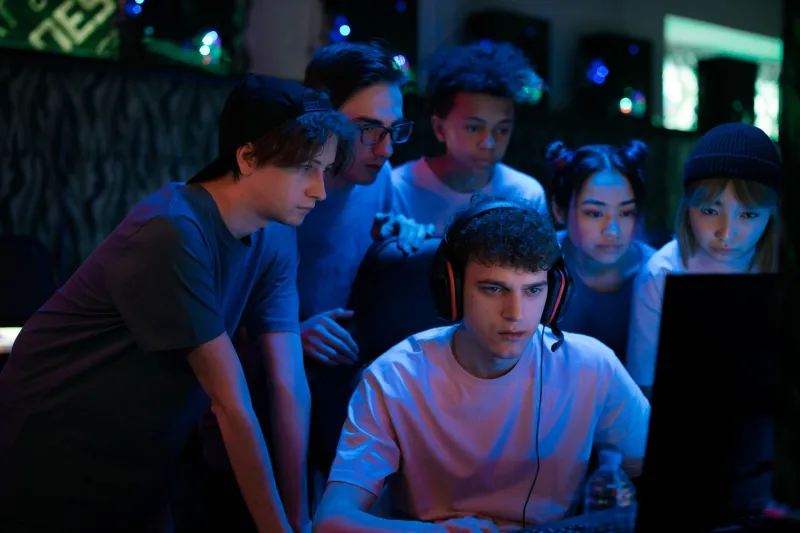
But spend some time inside communities built around Asian gaming platforms — the kind of spaces that power massive player bases across South Korea, Japan, Southeast Asia, and increasingly, the US — and something feels genuinely different. People are helping each other. Strangers are explaining mechanics without being condescending. Veteran players are welcoming newcomers instead of farming them for entertainment. It's not utopian, but it's noticeably, measurably better.
So what's actually going on? And why haven't American platforms figured this out yet?
The Metric Problem Nobody Wants to Admit
Here's the uncomfortable truth about most Western social and gaming platforms: they were built to maximize engagement, not connection. Engagement, in Silicon Valley terms, means time on platform, clicks, reactions, shares. And the fastest way to spike those numbers? Controversy. Conflict. Outrage.
The algorithmic architecture of platforms like Reddit, Twitter/X, and even Discord servers built around Western games quietly rewards the loudest, most inflammatory voices. A post calling out a developer gets more traction than a thoughtful guide. A rage clip goes further than a collaboration highlight. The design itself creates the conditions for toxicity, and then platform teams act surprised when the community turns hostile.
Asian gaming platforms, particularly those operating in markets where community reputation carries serious cultural weight, have historically built around different incentives. Harmony, group cohesion, and long-term retention aren't just nice-to-haves — they're core to the business model. Players who feel genuinely welcomed stick around longer and spend more. Communities that self-regulate attract higher-quality members. The math isn't complicated; the cultural willingness to prioritize it is.
Moderation as a Design Feature, Not an Afterthought
One of the most visible differences is how moderation actually functions. On many Western platforms, moderation is reactive — rules exist, but enforcement is spotty, appeals go nowhere, and bad actors know they can push boundaries with minimal consequence. It's whack-a-mole at scale, and everyone knows it.
Many Asian-built gaming communities treat moderation as a core feature rather than a janitor service. There's a reason platforms like LINE, KakaoTalk's gaming integrations, and the community infrastructure behind major Korean and Japanese titles invest heavily in tiered moderation systems. Trusted players earn moderation privileges. Reporting actually triggers visible action. Repeat offenders get escalating consequences rather than endless second chances.
More importantly, the community culture itself participates in enforcement. When veteran players model good behavior and newer members see that the space is genuinely maintained, the social pressure shifts. Being a jerk becomes the abnormal behavior, not the expected one. That's not magic — it's design.
Collaboration Over Clout
There's a cultural thread running through many East and Southeast Asian gaming communities that prizes collective success over individual showboating. This isn't a stereotype — it shows up concretely in how these spaces are structured.
Guild and clan systems in games popular across Asian markets often come with explicit mentorship expectations. Higher-level players aren't just flexing their stats; they're expected to contribute to the growth of newer members. Some platforms even build reward systems around this — you get recognized not just for your personal performance, but for how much you've helped the community level up.
Compare that to the average American gaming clan, which often functions more like a leaderboard with a Discord attached. Contribution is measured in kills, wins, and individual rankings. The social architecture pushes toward competition within the group rather than collaboration against external challenges.
When American players jump into these Asian-modeled community structures — whether through platforms like UOK168 or through the growing number of US-based games adopting similar frameworks — the culture shock is real. Getting genuinely helpful advice without a side of condescension hits different when you're used to being flamed for asking a basic question.
Language Barriers That Somehow Make Things Better
Here's a counterintuitive one: communities that span multiple languages often end up being more civil than monolingual spaces. When English isn't the default, and players know that communication requires a little extra effort, the interactions tend to be more deliberate. You're not firing off a reflexive insult when you have to think about how to phrase something.
Multilingual gaming communities built around Asian platforms have developed rich visual communication cultures — emotes, reaction systems, quick-phrase libraries — that let players connect meaningfully without relying purely on text. This reduces misinterpretation, lowers the temperature of disagreements, and creates connection points that go beyond language.
American gaming spaces, which often treat English as the only legitimate communication mode, miss out on this entirely. The insistence on text-based dominance actually narrows the emotional range of interaction and makes it easier to dehumanize the person on the other end of the screen.
What American Platforms Could Actually Steal
Let's be real — American gaming companies aren't going to overhaul their entire incentive structures overnight. The engagement-metric addiction runs too deep, and the ad revenue tied to controversy is too lucrative. But there are practical pieces that could transfer.
First, reputation systems with teeth. Not just badges for posting frequency, but visible community standing tied to actual behavior — helpfulness, accuracy, mentorship. Make good community citizenship something players want to build and protect.
Second, proactive moderation investment. Not just reactive bans, but active community management that shapes culture before it calcifies into toxicity. This costs money, but so does losing your entire user base to burnout.
Third, structural incentives for collaboration. If your platform only rewards individual achievement, you'll get individual behavior. Build in group accomplishment metrics, mentorship rewards, and community contribution recognition.
Fourth — and this one's free — stop optimizing for outrage. It sounds obvious. It apparently isn't.
The Bigger Picture
American gamers are increasingly seeking out Asian gaming platforms not just for the games themselves, but for the community experience. That's a signal worth paying attention to. When players are willing to navigate language differences, time zone gaps, and unfamiliar interfaces just to be in a space that doesn't make them feel terrible, something has gone seriously wrong with the domestic alternatives.
The silent revolution happening in these communities isn't about ideology or cultural superiority — it's about basic design choices that prioritize human connection over algorithmic manipulation. Asian gaming platforms figured out that a community people actually want to be in is worth more, long-term, than a community that generates clicks through conflict.
America's gaming spaces are starting to feel that gap. The question is whether the platforms in charge are paying attention — or whether they're too busy watching the engagement numbers tick up on the latest controversy to notice everyone quietly logging off.